
Heat press
Heat press maintenance - a practical decision framework
On this page
Short answer
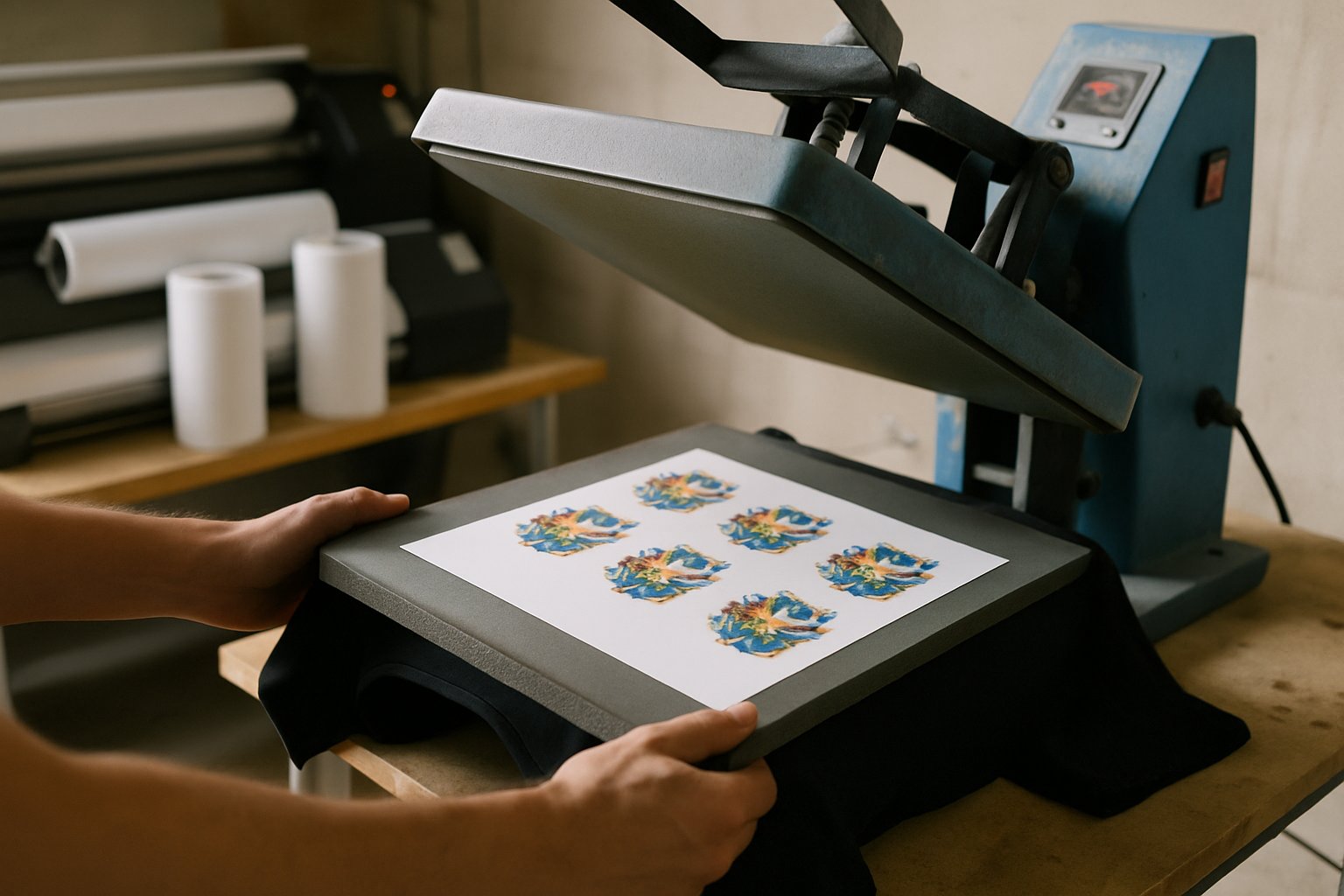
Heat press maintenance starts with the manual for the exact machine. Use it to decide which inspections and care tasks belong to the operator, how to prepare the press safely, and when to call service. Do not borrow a cleaning temperature or lubricant from an unrelated model.
When output changes, hold the affected jobs and check the press as part of the process. A transfer problem can also involve artwork, materials, garment loading, or application settings. Maintenance should help identify the cause rather than encourage random adjustments.
Keep the correct instructions at the press
Record the model and the location of its current operating and service instructions. Include instructions for interchangeable platens or other fitted accessories. A change in the lower setup may matter to how the machine is used and checked.
STAHLS' care guidance highlights work-area cleanliness, platen care, deteriorating lower-platen silicone, cord protection, and heat checks. These are useful inspection areas, but its general sheet does not replace the procedure for a particular press. STAHLS' heat press care guidance.
Create a short operator checklist from the applicable manual. Keep model-specific details in that checklist rather than turning this article into a universal schedule. If the manual is missing or unclear, ask the manufacturer before performing the disputed task.
Decide whether the press can remain in use
Separate a routine housekeeping task from a condition that may require stopping. Unusual electrical behavior, damaged wiring, unstable movement, or a failed safety function should not be treated as a production setting problem.
Stop use and follow the manufacturer's shutdown and service instructions when such a fault appears. Do not bypass switches, guards, or protective devices to finish an order. Keep the equipment clearly out of service so another operator does not restart it unknowingly.
For routine inspection or cleaning, use the prescribed power and temperature state. Some tasks have different procedures, so do not assume every cleaning instruction applies to a hot surface. Leave internal electrical work to qualified service personnel.
Inspect the working surfaces
Look for residue, damage, and foreign material on the surfaces that contact the job. Inspect covers and accessories as well as the metal platen. A clean upper surface does not establish that the lower support is in suitable condition.
Record where contamination appears. If the same area repeatedly becomes dirty, investigate loading technique, cover use, and the materials being pressed. Cleaning the symptom without correcting its source can leave the next job exposed to the same issue.
Use only cleaning methods and products approved for the particular surface. Do not scrape a coated platen with a tool simply because it removes the residue quickly. If the approved method does not work, ask for service guidance rather than escalating to an unapproved solvent.

Assess the lower pad and accessories
Inspect the lower pad for visible deterioration or changes in its surface. Check that covers and accessories sit as intended and that nothing is folded or trapped underneath. Follow the manufacturer’s criteria for replacement rather than inventing a wear limit.
Keep replacement parts matched to the press and application. A pad that fits physically is not automatically equivalent to the specified part. Record what was installed and when, especially if output changes afterward.
Also examine the garment setup. Seams, fasteners, or uneven layers can change the contact conditions. Before blaming a worn pad, compare the loading method with the transfer and press instructions. The aim is to separate equipment condition from job setup.
Investigate temperature concerns with a suitable method
A display reading is part of the machine's control system. If you suspect uneven or incorrect heat at the working surface, use the manufacturer's recommended checking method and equipment. Do not treat an arbitrary handheld reading as a complete calibration.
Record the test conditions, the locations checked, and the instrument used. Keep the result with the machine record so service can understand the concern. Ask the manufacturer what result requires adjustment or repair.
Do not add extra dwell time to hide an unexplained temperature problem. A changed recipe may affect the garment or transfer while leaving the equipment issue unresolved. Resume normal production only when the process is understood and an appropriate sample has passed.
Separate pressure setup from mechanical faults
Confirm that the press is configured for the garment and accessories being used. Follow the model's pressure-setting procedure. Avoid interpreting a dial position or handle feel as a universal pressure value across different presses.
If closing action, alignment, or repeatability changes, record the symptom and involve service as needed. Do not force an adjustment beyond the manual's limits. More force is not a diagnosis.
For an air-operated press, include the applicable air-supply checks from its documentation. This guide does not prescribe a supply pressure because that is equipment-specific. Keep air-system work within the operator tasks the manufacturer permits.
Use a decision table for reported problems
| Reported condition | Immediate action | Next evidence |
|---|---|---|
| Residue on a contact surface | Hold affected work and use approved cleaning | Surface condition after cleaning |
| Visible pad deterioration | Check replacement criteria | Correct part and service guidance |
| Suspected uneven heat | Use the approved checking method | Recorded readings and test setup |
| Unusual electrical or mechanical behavior | Stop use and follow service instructions | Fault description and machine identity |
| Transfer failure with no obvious press fault | Review the full application process | Transfer instructions, loading, and sample result |
The table guides the next action; it does not assign a cause from appearance alone. Keep the rejected garment or a clear record of the defect where it helps the investigation.
Build a schedule from the manual and usage
Use the manufacturer's intervals and task definitions as the starting point. Add reporting triggers for spills, visible damage, changed operation, or an output issue. Do not substitute a generic calendar interval for a condition that needs immediate attention.
Assign an owner for routine care and a backup when that person is absent. Make completion easy to record. A checklist with an initial and a brief observation is more useful than an elaborate form staff skip.
Keep lubrication instructions specific to the machine. The location, product, amount, and preparation state all matter. Do not lubricate every moving part because another model's guide mentions grease.
Check the process after maintenance
After an approved care task or repair, confirm that the press is returned to its intended configuration. Remove tools and cleaning materials, replace required covers, and follow the manufacturer's return-to-use procedure.
Run an appropriate sample using the transfer supplier's application instructions and the intended garment. Record the file or transfer batch, settings, and observed result. Do not release held customer jobs merely because the machine powers on.
If the problem persists, keep the maintenance result and investigate another stage. A clean platen does not prove that the transfer was cured correctly, and a stable press does not prove the garment was loaded correctly.
Keep maintenance and remake records connected
Link equipment observations to the affected jobs without assuming causation. That lets the shop see whether a recurring defect follows a particular press, accessory, material, or setup.
Record service recommendations and completed repairs separately from routine operator care. Keep receipts and part information where they can be found for later support. A dated history helps avoid repeating an unsuccessful fix.
Use the glossary to keep terms consistent when reporting curing, application, peeling, and pressing issues. Clear stage names make it easier for the transfer supplier and press technician to work from the same account.
Frequently asked questions
How often should I clean my heat press?
Can I use any cleaner that removes residue?
Should I increase pressure when transfers fail?
When should I stop and call service?
Sources
- Tips to Keep Your Heat Press in Shape (opens in new tab), accessed 19 Oct 2026
Written by
DTF Gang Sheet Tools editorial team
Site pages